
If you’re looking to increase your home’s usable square footage without a costly addition, converting the garage might be the perfect solution. Whether you need a home office,

Dated: August 12 2024
Views: 59
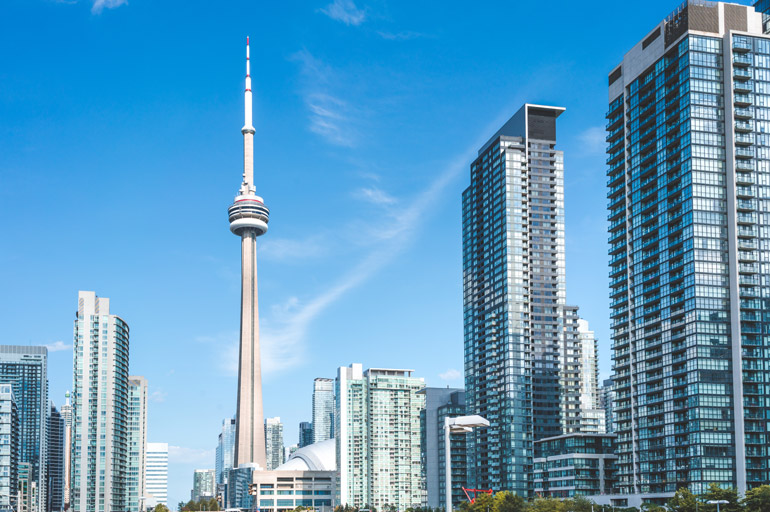 Toronto Condo Living" />
Toronto's real estate market has always been a hot topic, with its condo segment particularly under the spotlight. As one of North America's most vibrant and diverse cities, Toronto's appeal attracts a wide range of buyers, from first-time homeowners to international investors. The condo market, in particular, offers a more accessible entry point compared to detached homes, making it a focal point of urban living. However, as with any real estate market, Toronto's condo prices are subject to various factors, ranging from economic conditions to government policies.
As of 2024, Toronto's condo market remains robust, although it has experienced some fluctuations. After a period of rapid price growth in the early 2020s, largely driven by low interest rates and increased demand for housing, the market has shown signs of stabilization. However, the average price per square foot for a condo in Toronto is still significantly higher than in other Canadian cities, reflecting the city's desirability and limited housing supply.
In 2023, the average price of a condo in Toronto was around $750,000, with prices varying significantly depending on location, size, and building amenities. Luxury condos in prime downtown areas, such as Yorkville and the Financial District, can easily surpass the $1 million mark. On the other hand, condos in more peripheral neighborhoods like Scarborough or Etobicoke offer more affordability, with prices often ranging between $500,000 and $600,000.
Several key factors influence condo prices in Toronto:
Supply and Demand: Toronto's growing population and status as an economic hub create constant demand for housing. The influx of immigrants, students, and young professionals keeps the condo market active. However, limited land for development, especially in the downtown core, constrains supply, driving prices upward.
Interest Rates: The Bank of Canada's interest rate policies have a direct impact on mortgage rates, affecting buyers' purchasing power. Over the past few years, rising interest rates have cooled some of the demand, as higher borrowing costs make it more challenging for potential buyers to afford properties.
Government Policies: Regulations such as the foreign buyer tax and mortgage stress tests have been implemented to curb speculative buying and ensure the market's stability. These measures have had a dampening effect on price growth, particularly at the higher end of the market.
Construction Costs: The cost of building new condos has risen due to inflation, labor shortages, and supply chain disruptions. These increased costs are often passed on to buyers, contributing to higher condo prices.
Urbanization and Lifestyle Trends: Toronto's condo market is also shaped by broader lifestyle trends. The shift towards urban living, driven by the desire for shorter commutes and access to amenities, sustains demand for condos. Additionally, the rise of remote work has led some buyers to seek out larger units or condos with home office spaces, influencing pricing dynamics.
Looking ahead, Toronto's condo market is expected to remain a key part of the city's housing landscape. While price growth may moderate due to higher interest rates and economic uncertainty, the underlying demand for housing in a city with limited land and a growing population suggests that condo prices will continue to be resilient.
One potential area of growth is in the development of new condo projects outside the traditional downtown core. As transportation infrastructure improves, neighborhoods like Vaughan, North York, and Mississauga are becoming more attractive to buyers, offering more affordable options with the benefits of proximity to the city center.
Moreover, sustainability and green building practices are likely to become more prominent, as developers and buyers alike prioritize environmentally-friendly living spaces. This could influence pricing as well, with eco-friendly buildings potentially commanding premium prices.
Toronto's condo market is a dynamic and complex segment of the real estate landscape. While prices remain high, reflecting the city's appeal and limited housing supply, various economic and regulatory factors will continue to shape the market's trajectory. For buyers and investors, understanding these influences is key to making informed decisions in a competitive market. Whether you're looking for a home or an investment, staying informed about market trends and future developments will be crucial as Toronto's real estate market continues to evolve.
Home Staging, Staging, Real Estate Toronto, Real Estate, Income Property, Homes for sale Toronto, Homes for sale, Declutter Home Preparation, Realtor, Best Realtor,

Welcome to Your Trusted Real Estate Experts – More Than Just RealtorsAt Owning Toronto, we go beyond traditional real estate services. We are your dedicated partners, guiding you every step of t....
If you’re looking to increase your home’s usable square footage without a costly addition, converting the garage might be the perfect solution. Whether you need a home office,
If you’re selling your house or buying a home, skylights can be an attractive and functional feature. They offer natural light, energy efficiency, and visual appeal—but
In Ontario real estate, Multiple Representation and Designated Representation are two legal frameworks that describe how a real estate brokerage represents clients when a
The Home Buyers’ Plan (HBP): A Smart Way to Fund Your First HomeIf you're a first-time homebuyer in Canada, you've probably already discovered that buying a home isn’t cheap. Between